What if the secret to living past 100 was sitting in your pantry right now?
I attended a presentation at my local theater called The Blue Zones: Unlocking the Secrets of Longevity with Photographer David McLain. The show was presented as a part of the Viewpoint Speaker Series in partnership with Changemaker Talent.
What Are Blue Zones?
The “Blue Zones” is a term coined by Dan Buettner that refers to five regions of the world where people not only lived longer lives but also enjoyed a higher quality of life in their old age. The geographic regions share nine specific lifestyle habits that are called the “Power 9”. One of the nine describes what centenarians eat.
Beans play an important role in Blue Zone diets. Whether it is fava beans, black beans, soy, or lentils, people in Blue Zones eat about 1 cup of beans daily. Centenarians rely on the superfood to fuel their day, decade after decade.
As a Registered Dietitian, I was encouraged by the speaker’s photos of people gathered at dining tables filled with “bean” or plant-based dishes.
When a participant asked the speaker, “How do you cook beans?” I wanted to jump up and do a little happy dance! Here’s why- as a nutrition educator, my coworkers and I developed a reputation as enthusiastic promoters of dietary bean intake. One participant in our diabetes education program referred to us as “bean pushers”.
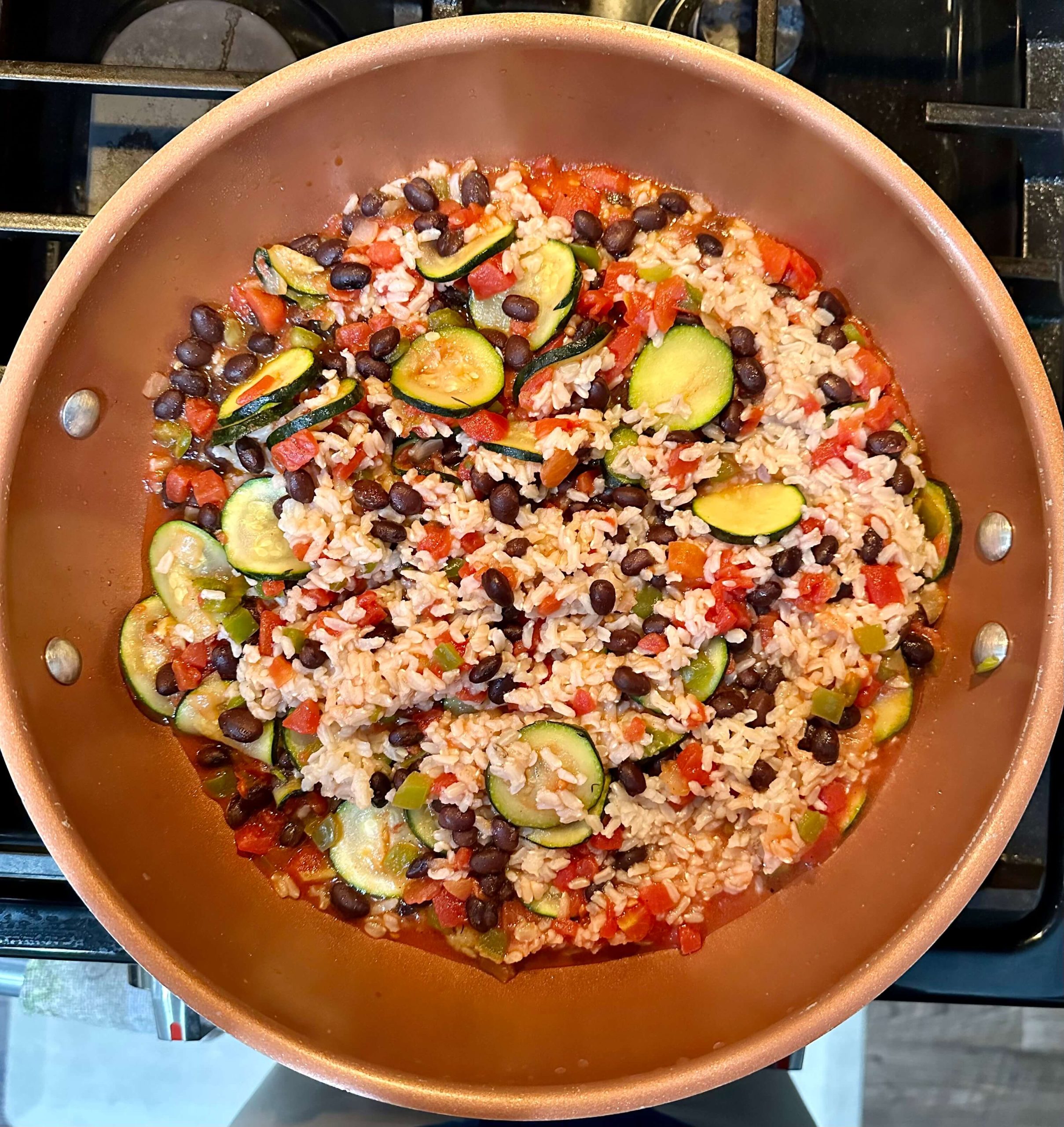
And it’s true. We offered food demonstrations and provided recipes that feature beans. The Zucchini, Black Bean, and Rice Skillet was popular with our diabetes boot camp clients. Even the most reluctant bean eaters tried the hummus wrap at cardiac rehab class.
That simple question- “How do you cook beans?”- highlighted something important: many people know beans are healthy, but don’t know how to actually use them.
Easy Ways to Eat More Beans
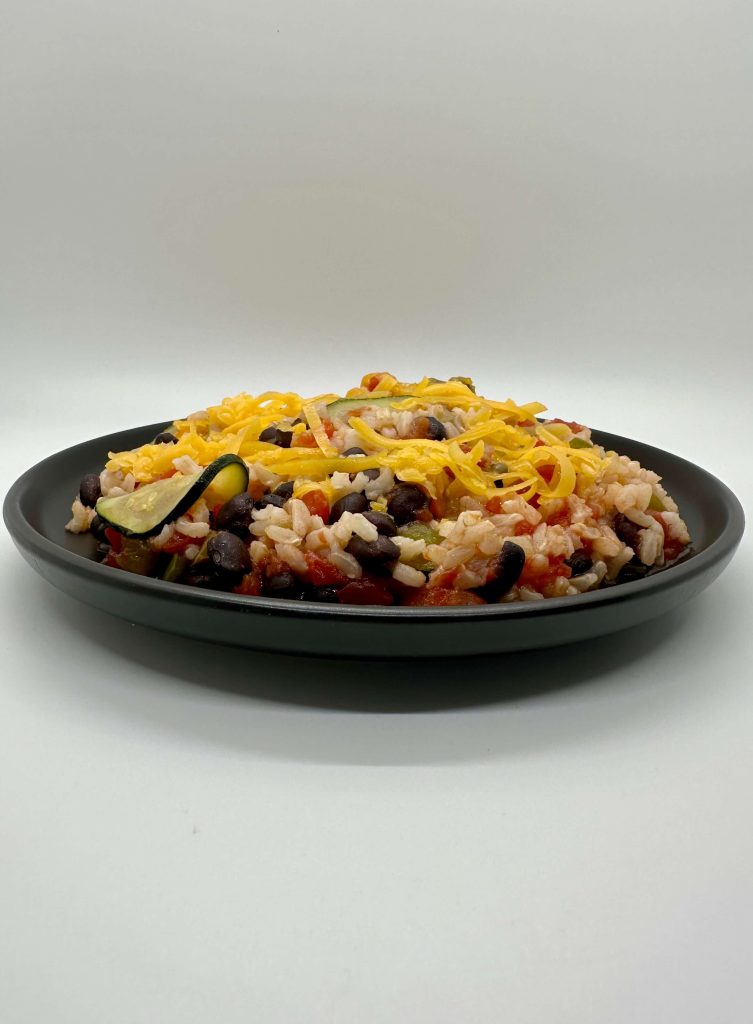
Zucchini, Black Bean, and Rice Skillet
Try this 20-minute one-pan meal perfect for busy weeknights.
If instant rice is not for you, simmer ½ cup of rice and 1 cup of water for 35 minutes for brown rice and 15 minutes for white rice.
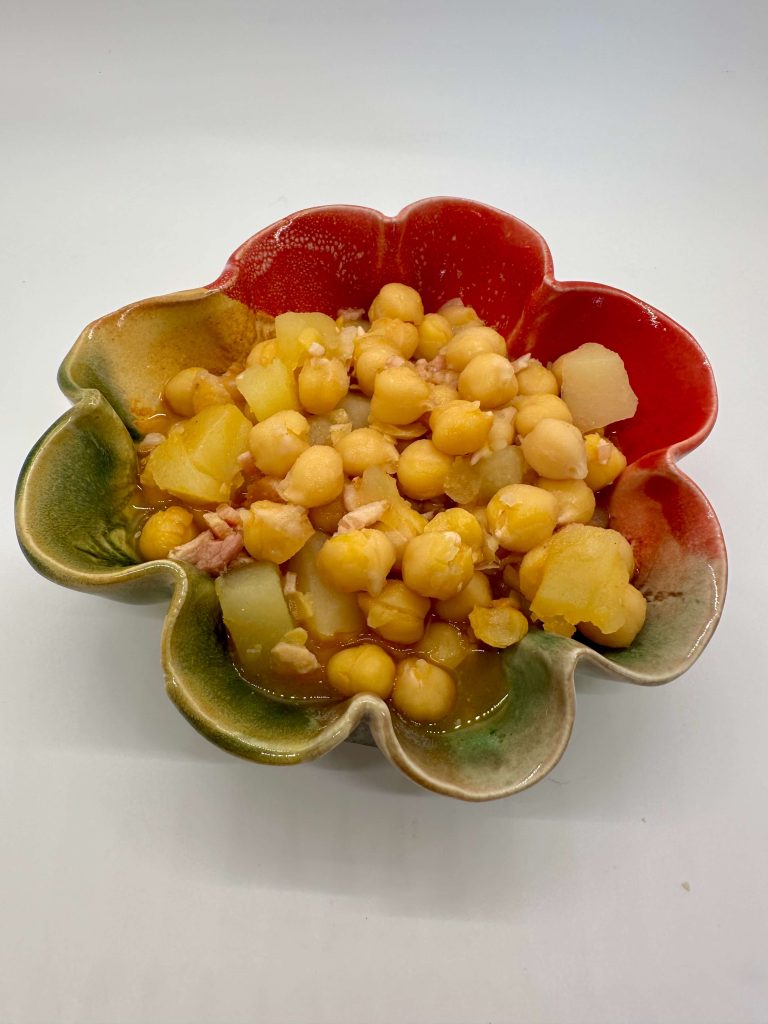
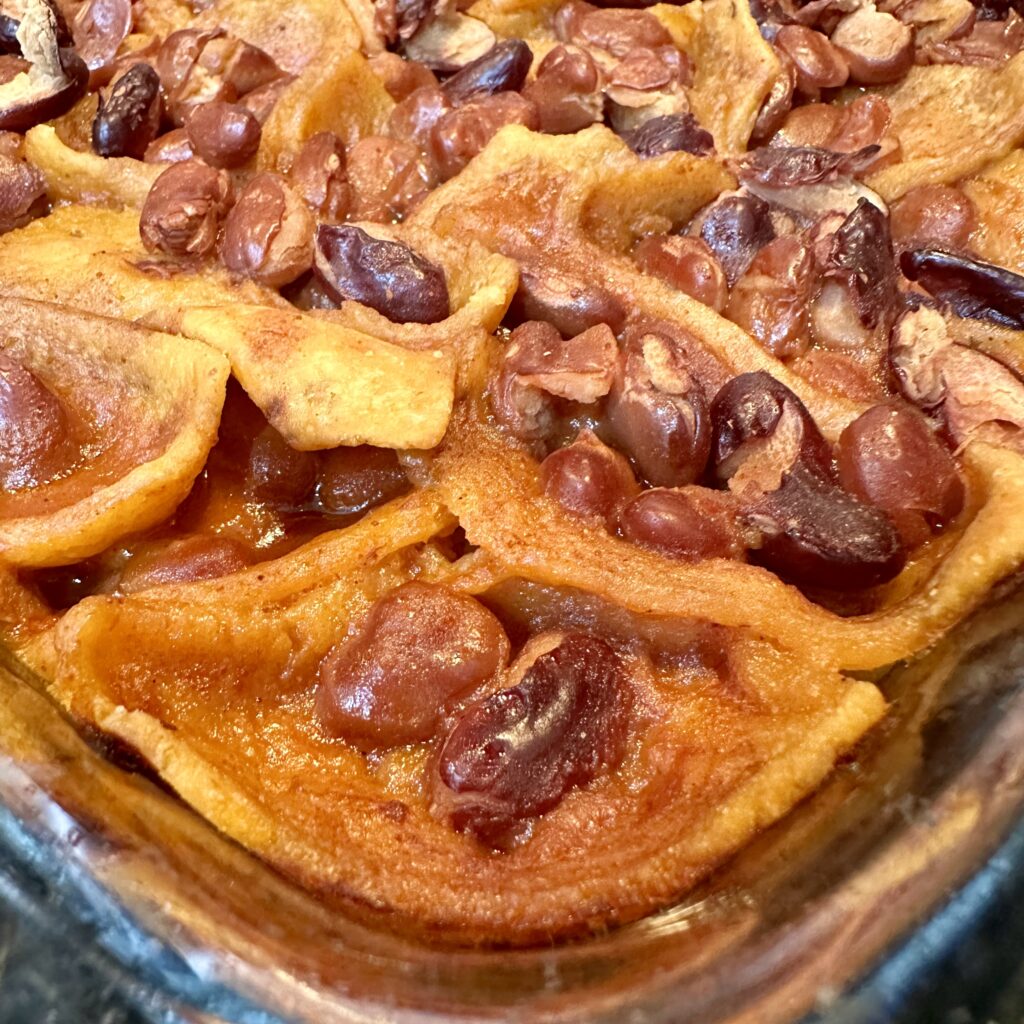
Garbanzo Delight – by Hurst’s Beans
1 pound dried garbanzo beans
1 pound potatoes
2-3 garlic cloves
2 tablespoons tomato sauce
2 tablespoons onion (chopped finely)
¼ pound bacon, cooked
1 teaspoon salt
Inspect, sort, and rinse the beans before cooking.
After rinsing beans, cover with 2-3 inches water, soak overnight. Cook garbanzos in 5 cups of water 1-½ hours. When beans are soft, add garlic, onions, tomato sauce, cooked bacon, and potatoes (cut into small pieces). Boil for one hour on low heat.
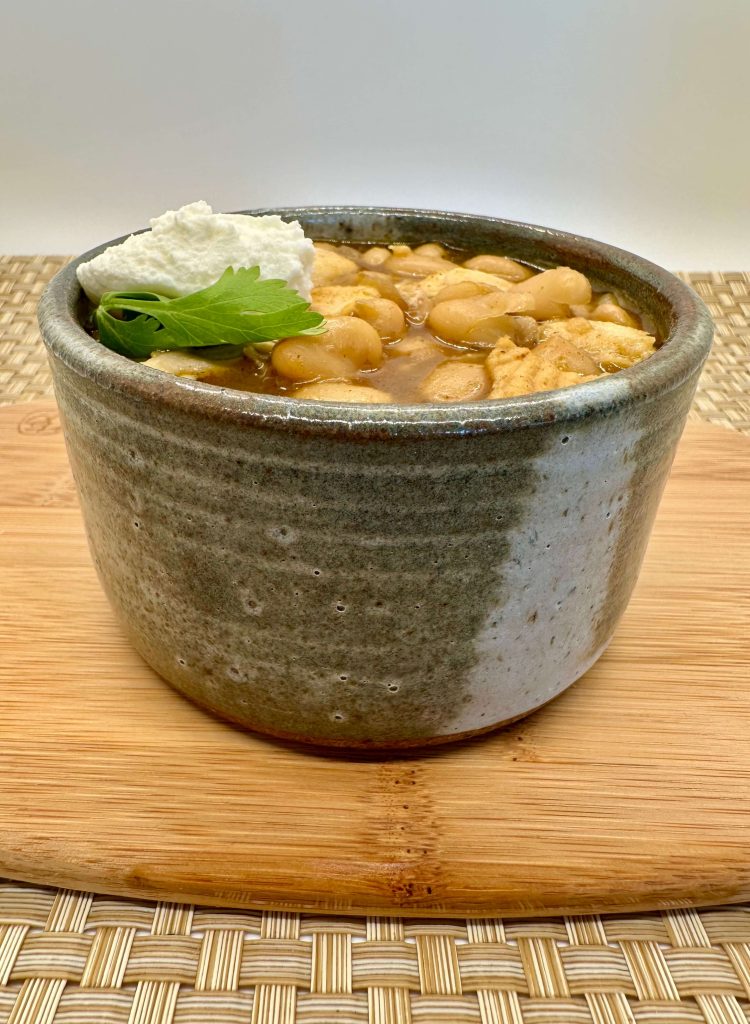
White Bean Chicken Chili
A lighter version of the traditional chili recipe that uses ground beef and tomatoes.
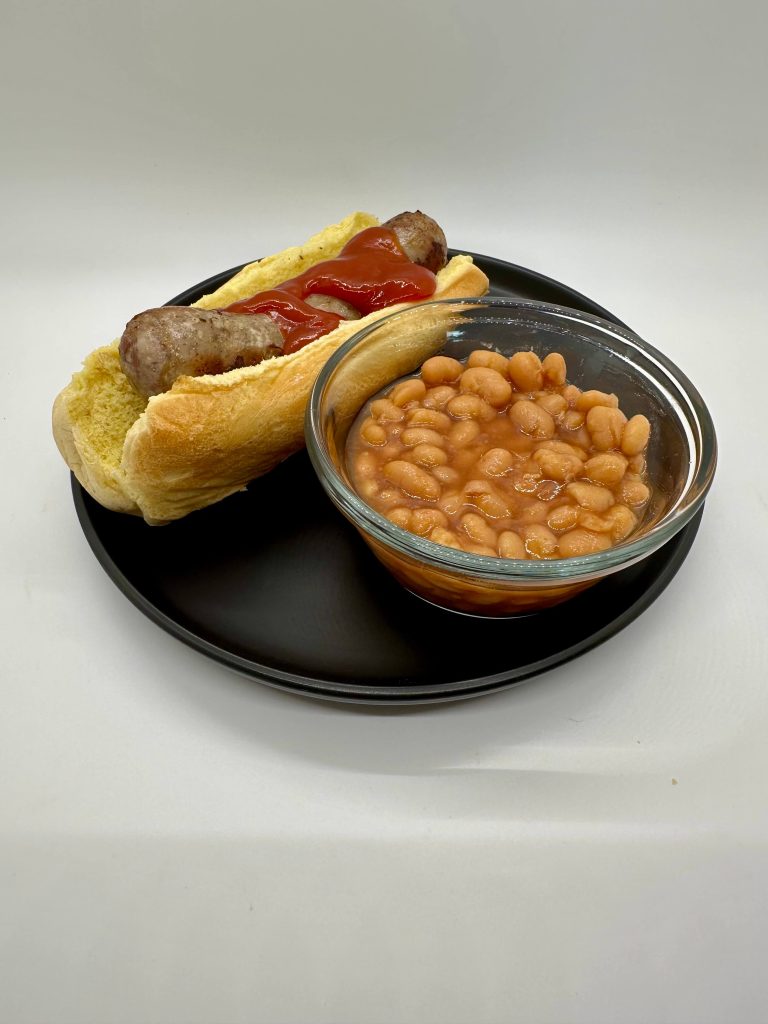
Brats and Beans
Make it simple and open a can of baked beans on grill night.
More Ways to Eat Beans
- Minestrone Soup
- Red Beans and Rice
- Navy Bean Soup with Ham
- Black Bean Soup
- Bean Dip
- Gallo Pinto
- Goya Champuru
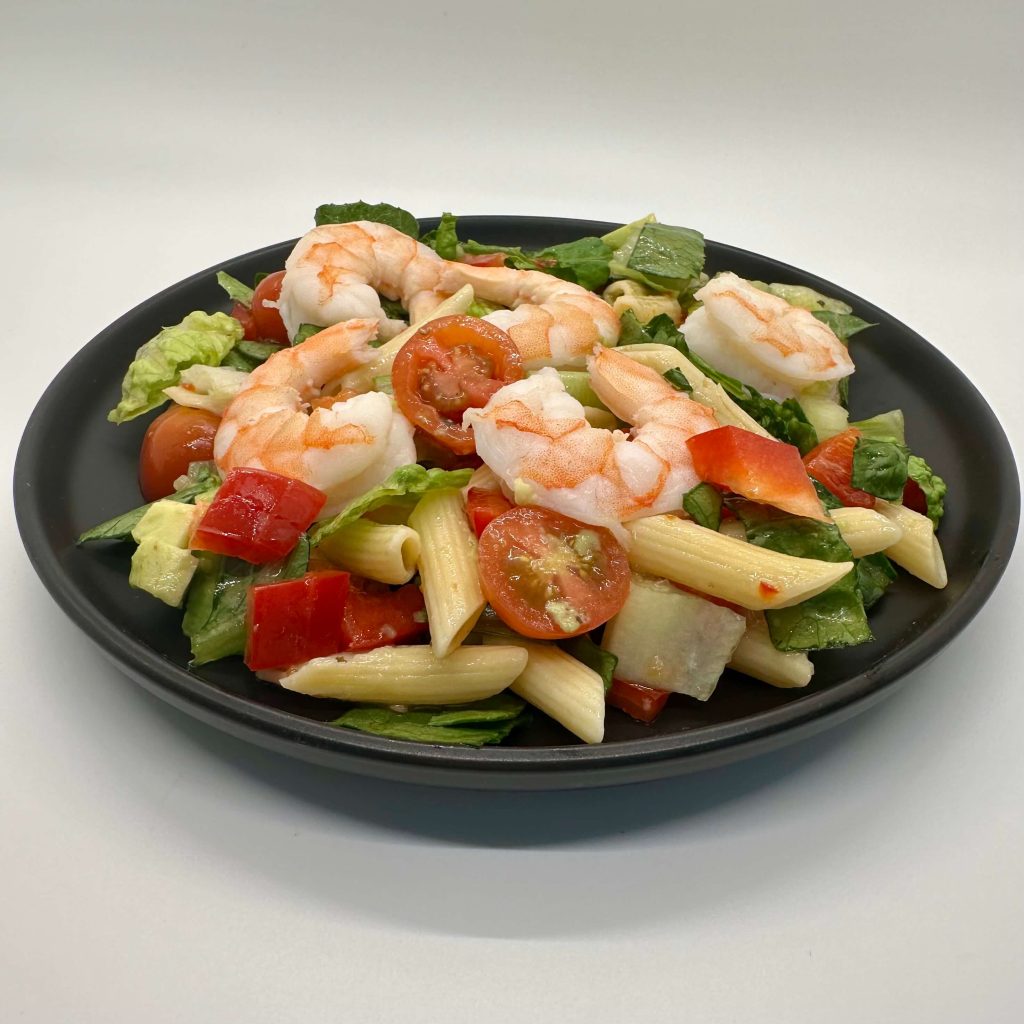
- Nicoise Tuna Salad
- Pasta e Fagioli (Pasta Bean Soup)

Afraid of Gassy Side Effects?
Tips for Eating Beans:
- Add beans slowly
- Drink plenty of water
- Try them at home
Why it works:
Symptoms will go away as you gradually add beans to your diet.
Nutritional Value of 1 cup cooked black beans vs. other starches and grains
Protein:
- 15 g – black beans
- 4 g – white rice
- 7 g – pasta
Calories:
- 225 – black beans
- 205 – white rice
- 200 – pasta
Fiber:
- 15g – black beans
- 1g – white rice
- 2g – pasta
Carbohydrate:
- 40g – black beans
- 45g – white rice
- 45g – pasta
Why Beans Are a Longevity Superfood
- Improved blood glucose control
- Reduced low density lipoprotein (LDL) cholesterol
- Lowered blood pressure
- Improved weight reduction
Start small – add beans to one meal this week. Give yourself credit for your efforts!
Share your favorite bean dish in the comments.
Leave a Reply